

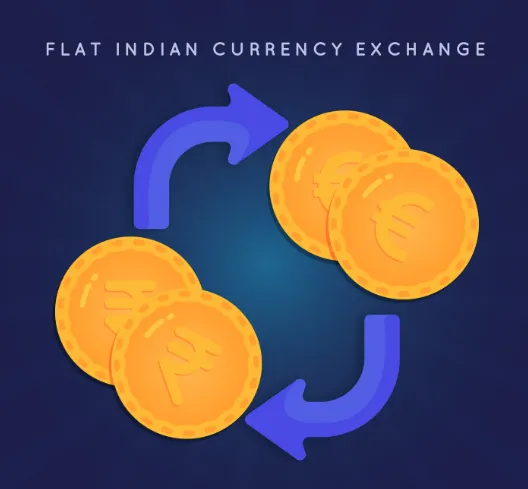
Picking a crypto platform is a bit like picking a bank, except way more people skip the homework part. That’s a mistake, honestly. If your money can’t move in and out smoothly, none of the rest matters much. A good Fiat To Crypto Exchange India traders trust usually gets that right from the start, letting you move between rupees and coins without a headache. This piece breaks down what actually matters when you’re checking whether a platform fits your local banking setup, written plain and simple, no confusing tech talk needed.
Why Local Payment Support Actually Matters
Some platforms look shiny and modern but fall apart the moment you try to deposit using your regular bank account. That’s a real problem for everyday users who just want to move money without jumping through five extra steps. A platform built with local payment rails in mind saves you time and honestly saves you a fair bit of frustration too. Check whether it supports your usual bank transfer method, or your preferred mobile payment app, before you even think about signing up.
Comparing Deposit Methods Across Regions
Every country has its own quirks when it comes to moving money. What works smoothly in one place might be clunky or slow somewhere else. For someone exploring Fiat To Crypto South Africa options, it helps to look specifically at whether local bank transfers are supported, how long deposits usually take, and whether there’s a minimum amount required. Some platforms process deposits within minutes, others take a full day, and that difference matters a lot more than people expect until they’re actually waiting on funds.
Checking Withdrawal Speed and Limits
Getting money onto a platform is one thing. Getting it back out is where a lot of platforms quietly disappoint people. Before committing, look into how fast withdrawals typically process and whether there’s a daily or monthly cap. A platform that takes three business days to release your funds isn’t necessarily a scam, but it’s definitely not ideal if you ever need quick access to your cash. Read user reviews specifically about withdrawal experiences, since that’s often where the real story shows up.
Understanding Currency Conversion Costs
This part sneaks up on a lot of beginners. When you convert your local currency into crypto, there’s usually a spread or a small markup built into the exchange rate. It’s not always obvious at first glance. Take a moment to compare the rate you’re getting against the actual market rate for that same moment. A gap of a per cent or two might not sound huge, but on larger amounts it adds up quickly, and platforms rarely spell this out clearly upfront.
Looking Into Customer Support Quality
You won’t think about support until you actually need it, and by then it’s often too late to switch platforms easily. Test this early. Send a message with a basic question before you deposit any real money and see how long it takes to get a proper reply. A platform with responsive, genuinely helpful support tends to handle bigger issues far better too, whether that’s a delayed withdrawal or a login problem you can’t figure out on your own.
Reading The Fine Print on Fees
Fees hide in strange places sometimes. Beyond the obvious trading fee, there might be a separate charge for deposits, another for withdrawals, and occasionally a small inactivity fee if your account sits untouched for months. None of this is necessarily unfair, but you deserve to know about it before you’re surprised by a smaller balance than expected. Spend ten minutes reading the fee page properly. It’s not thrilling reading, but it saves real money down the line.
Verifying Security and Local Compliance
A platform operating properly in your region should follow local financial rules, which honestly works in your favor as a user. This usually means proper identity checks during signup, which can feel tedious but adds a layer of protection against fraud. Look for clear information about how your funds and personal data are protected, and don’t be shy about searching for any past security incidents tied to the platform before trusting it with your money.
Weighing Mobile Access and Ease of Use
Plenty of people manage their crypto entirely from a phone these days, so a clunky mobile experience becomes a real dealbreaker fast. Test the app before committing serious money to it. Notice whether deposits, trades, and withdrawals all feel intuitive, or whether you’re constantly hunting for basic features buried in confusing menus. A platform that respects your time on mobile usually reflects good design thinking everywhere else too.
Conclusion
Evaluating a crypto platform properly takes a bit of patience, but it genuinely pays off later. Look closely at payment support, fees, withdrawal speed, and how the platform treats its users when things go slightly wrong. Doing this homework upfront at places like zbit.com means fewer surprises and a much smoother experience overall. Take your time, ask questions, and trust platforms that make their processes clear rather than confusing.